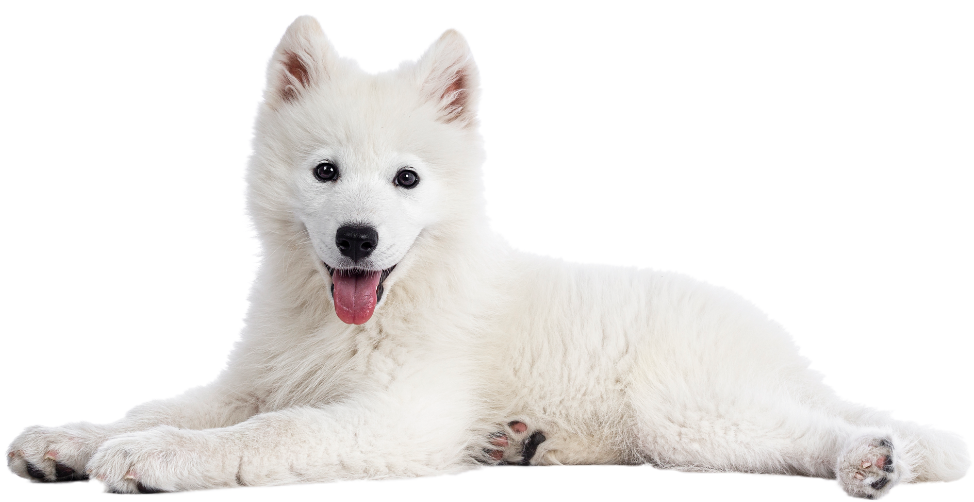
Halloween is one of the most fun and festive times of year—pumpkins, costumes, treats, and a lot of doorbell activity. But for pets, it can also bring many hidden dangers and stressors. As pet parents, it’s our job to make sure Halloween is fun and safe for our animals. Below are detailed safety tips, dangers to watch out for, and how to prepare so your pets stay healthy, calm, and out of trouble.
Table of Contents
- Common Halloween Risks for Pets
- Treats & Foods: What’s Toxic
- Costume Caution: Making Dress-Up Safe
- Decorations & Household Hazards
- Managing Stress, Noise & Overstimulation
- Identification, Escape Prevention & Pet Safety Plan
- What to Do in Case of Emergencies
- Conclusion: A Calm, Safe Halloween
1. Common Halloween Risks for Pets
Before we dive into specifics, here are some of the most common issues that pet owners face during Halloween:
- Candy ingestion (chocolate, xylitol, raisins) which can be toxic. Pet Poison Helpline+2PetMD+2
- Choking or intestinal blockages from non-edible items like wrappers, decorations, costume parts. portageveterinaryclinic.com+2Peak Paws Advanced Veterinary Hospital+2
- Burns or fire hazards from jack-o-lanterns, candles, open flames. AVMA+2nomnomnow.com+2
- Escape risk due to unfamiliar activity, open doors, or fear of costumes/strangers. ASPCA+2AVMA+2
- Stress and anxiety triggered by loud noises, frequent door knocking, people in costumes. PetMD+2nomnomnow.com+2
Being aware of these risks is the first step to preventing problems.
2. Treats & Foods: What’s Toxic
One of the biggest dangers during Halloween is what your pet eats (or accidentally swallows). Treats, sweets, wrappers, and even “harmless” items can be hazardous.
Chocolate
Chocolate contains theobromine and caffeine, which dogs and cats metabolize slowly. Dark chocolate and baking chocolate are especially dangerous. Ingestion can cause vomiting, diarrhea, rapid heartbeat, seizures, or worse. Houston SPCA+2Pet Poison Helpline+2
Xylitol (Sugar-Free Sweeteners)
Candy, gum, baked goods, or treats labeled “sugar‐free” may contain xylitol. This sweetener is highly toxic to dogs—even small amounts can lead to a sudden drop in blood sugar (hypoglycemia), seizures, or liver failure. Veterinary Medicine at Illinois+3Peak Paws Advanced Veterinary Hospital+3Pet Poison Helpline+3
Raisins, Grapes, & Certain Nuts
Even small amounts of raisins or grapes are dangerous for dogs, potentially causing kidney failure. Some nuts (like macadamia nuts) are also known to be toxic or can trigger pancreatitis. Pet Poison Helpline+2portageveterinaryclinic.com+2
Candy Wrappers, Foil, & Packaging
It’s not just what is inside the wrappers—it’s the wrapper itself. Pets are attracted to shiny wrappers and may chew or swallow them. This can lead to choking or gastrointestinal blockage. Peak Paws Advanced Veterinary Hospital+2Houston SPCA+2
Pumpkins & Carved Items
Plain pumpkin flesh is generally safe in moderation. However, carved pumpkins with candles can be dangerous if knocked over. Seeds and rinds can be choking hazards, especially for small pets. Rotten pumpkin or moldy parts should be avoided. nomnomnow.com+2PetMD+2
3. Costume Caution: Making Dress-Up Safe
Costumes are adorable—but they can also cause discomfort, injury, or stress if not chosen and used properly.
Fit & Comfort
Ensure that the costume:
- Doesn’t restrict movement (walking, sitting, lying down). PetMD+2AVMA+2
- Doesn’t block vision, hearing, or breathing. Avoid masks that cover eyes or noses. AVMA+1
- Has no small pieces, buttons, or dangling parts that can be chewed or swallowed. PetMD+1
Introduce the Costume Early
Let your pet get used to the costume in advance—try short sessions, reward with treats, see whether they show signs of discomfort (excessive scratching, avoidance, panting). nomnomnow.com+1
Limit Use & Supervision
Don’t leave pets in costumes unsupervised. Remove the costume after photo time or when tensions, heat, or stress increase. Some pets are better off wearing just a festive bandana or collar rather than full costume. ASPCA+1
4. Decorations & Household Hazards
Many Halloween decorations look fun—but can pose real risks.
Candles & Jack-o-Lanterns
- Open flames are a fire risk and a burn risk if knocked over by pets. AVMA+1
- Jack-o-lanterns with candles inside should be kept out of reach, on stable surfaces. Consider using flameless candles. nomnomnow.com+1
Electrical Cords and Lighting
- Lights, extension cords, and decorations are tempting to chew. Chewing wires can cause shocks or burns. PetMD+1
- Keep cords secured, out of sight, or covered. portageveterinaryclinic.com
Toxic Plants, Potpourri, & Decor Items
- Some decorative plants, like certain gourds, autumn flowers, and leaves, may be mildly irritating or toxic if ingested.
- Decor items like fake cobwebs, glow sticks, slime/glue decorations, plastic spiders etc., can be choking or poisoning hazards. Glow stick liquids are especially bitter and cause dangerous reactions if consumed. nomnomnow.com+2PetMD+2
Crowds, Doors, & Stranger Danger
- Open doors for trick or treaters increase the chance a pet bolts.
- Strangers in costumes can be frightening to some pets.
- Keep pets indoors or in safe rooms away from front doors. AVMA+2PetMD+2
5. Managing Stress, Noise & Overstimulation
For many pets, Halloween is not just about physical hazards—it can be emotionally tough. Lights, noise, unfamiliar people, costumes, smells—all can overwhelm them.
Signs of Stress or Anxiety
Watch for:
- Panting, trembling, hiding
- Excessive vocalization (barking, meowing, howling)
- Trying to escape, going to a corner or behind furniture
- Loss of appetite, changes in bathroom habits PetMD
Creating a Calm Space
- Pick out a quiet room with their bed, toys, water, and perhaps a crate or enclosed space they find comforting.
- Use white noise machines, soft music, or calming pheromone diffusers.
- Keep doors and windows closed so outside noises are less noticeable. nomnomnow.com+1
Routine, Reassurance & Distraction
- Maintain feeding and walking schedules.
- Provide distraction: puzzle toys, safe chews, or treats made for pets (not sugary human treats).
- Reassure them with calm voices and gentle petting.
6. Identification, Escape Prevention & Pet Safety Plan
Halloween’s hustle and bustle can increase the risk of pets slipping out or getting lost.
Proper ID & Microchipping
- Ensure your pet wears a collar with up-to-date ID tags (name, your phone number).
- If they are microchipped, make sure contact info is current. AVMA+2ASPCA+2
Secure the Home
- Keep pets away from the front door during peak trick-or-treat hours.
- Consider gating off the entryway or keeping pets in a separate room.
- Make sure screens/windows/doors are closed securely.
Plan for Emergencies
- Have your veterinarian’s phone number handy.
- Know the number for your local animal poison control center. (ASPCA poison control: 1-888-426-4435) ASPCA+1
- Know where the nearest 24-hour veterinary hospital is.
7. What to Do in Case of Emergencies
Even with the best preparation, accidents can happen. Here’s what to do:
If Your Pet Eats Something Toxic
- Identify what was eaten (what kind of candy, decoration, etc.).
- Call your vet or poison control immediately. Pet Poison Helpline+1
- Do not induce vomiting unless instructed by a vet.
Symptoms to watch for:
- Vomiting, diarrhea
- Drooling, pawing at mouth
- Lethargy, weakness
- Seizures, tremors
- Rapid breathing or heart rate changes
If They Are Injured or Fear Reacts
- If costume or decor causes cuts, burns, or if they ingest sharp items—see whether you can gently clean with safe antiseptic and evaluate whether vet care is needed.
- Calm them down. Wrap in a towel or blanket. Reduce noise and light.
If They Escape
- Immediately begin looking locally (neighbors, yard).
- Contact local shelters and vet clinics.
- Use social media and local lost-pet groups.
- Make sure ID tag or microchip info is shared.
8. Conclusion: A Calm, Safe Halloween
Halloween can be wonderful for pets—festive walks, cute outfits, a warm home full of treats. But to ensure it’s not frightening or dangerous, it takes a little planning. Keep candy out of reach, choose costumes carefully, secure decorations, provide comfort, and always have a plan in case of trouble.
With these tips, you can enjoy Halloween together—making memories without risking health, safety, or peace of mind.
Wishing you and your pets a spooktacular, safe, and happy Halloween! 🎃
References
- American Veterinary Medical Association (AVMA). “Halloween Pet Safety.” AVMA
- ASPCA Animal Poison Control Center. “Taking the Trick Out of Howl-o-ween Treats.” ASPCA
- Pet Poison Helpline. “Halloween Dangers to Dogs & Cats.” Pet Poison Helpline
- University of Illinois Veterinary Teaching Hospital / VetMed Illinois. “Prevent Halloween Hazards for Pets.” Veterinary Medicine at Illinois
- NomNom Now. “Pet Safety Tips for Halloween.”